

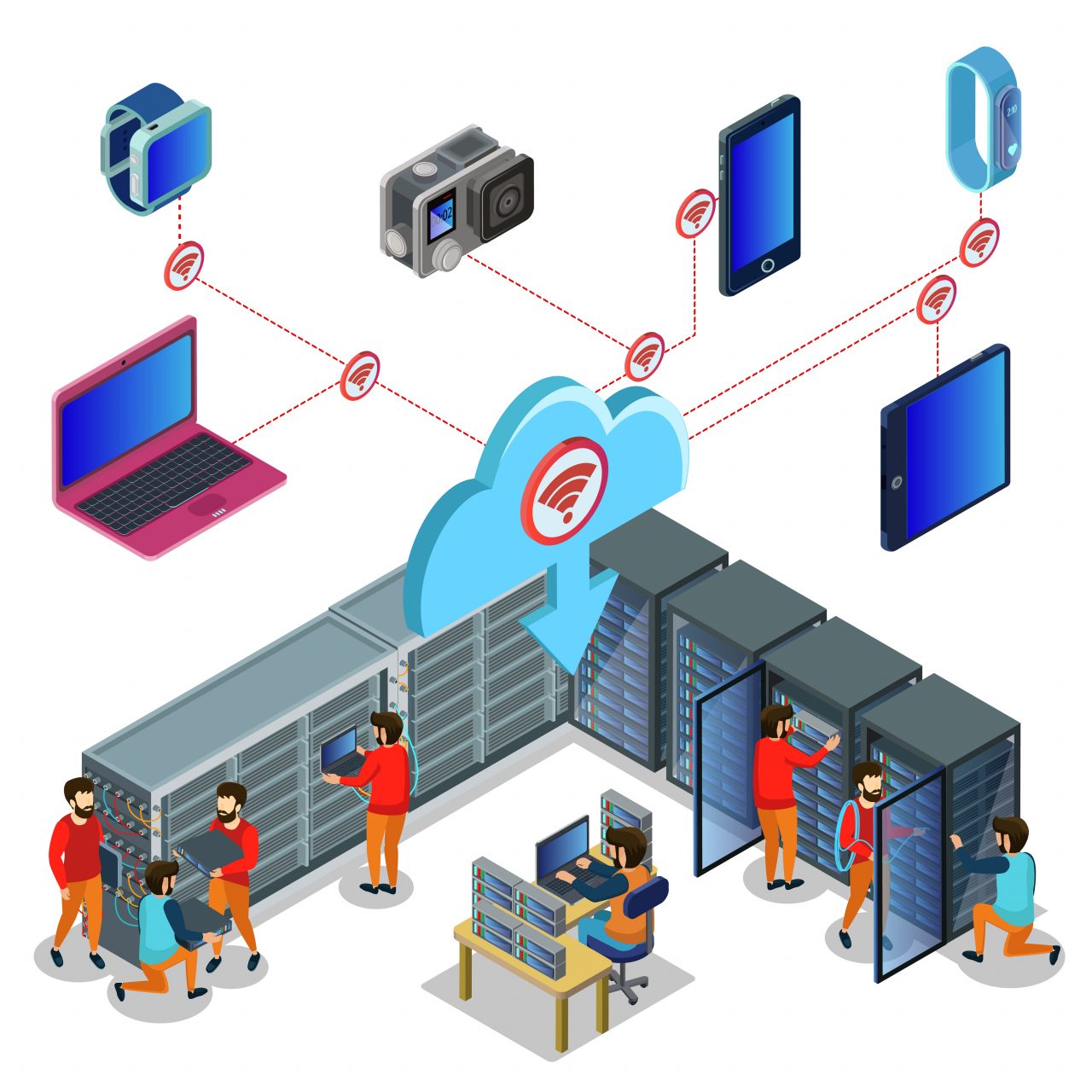
When a hacker compromises a single computer on your network, should they automatically gain access to everything else?
That’s exactly what happens in flat network architectures, where all devices can communicate freely with each other. Your receptionist’s computer has the same network access as your finance server, storing banking credentials. A compromised printer can reach your customer database. One infected laptop becomes a highway to your entire infrastructure.
Network segmentation solves this by dividing your network into isolated sections. Think of it like building compartments in a ship, if one section floods, watertight doors prevent the entire vessel from sinking.
Why Flat Networks Are Security Disasters
Most businesses start with flat networks because they’re simple. Everything connects to one network, devices communicate freely, and there’s minimal configuration required. This works fine until it doesn’t.
The problem becomes obvious during security incidents. When attackers breach your network through a phishing email, they can move laterally across your entire infrastructure without restriction. They hop from the compromised employee laptop to file servers, then to financial systems, then to customer databases. Nothing stops them because nothing separates these assets.
Compliance requirements increasingly mandate network segmentation. Regulations like PCI DSS for payment card data require isolated network segments for systems processing sensitive information. Meeting these requirements with flat networks is impossible, forcing organizations to implement segmentation anyway.
What to Segment and Why
Effective segmentation starts with understanding your critical assets and their different security requirements. Not everything needs the same level of protection or access controls.
- Financial systems and databases containing sensitive information should live in highly restricted segments. Only specific users and applications that absolutely require access should reach these systems. Your marketing team doesn’t need network-level access to accounting servers, period.
- Customer data repositories demand similar isolation. Data breaches increasingly target customer information because it’s valuable on black markets. Segmenting these systems limits exposure if other parts of your network get compromised.
- Administrative and management systems control your infrastructure and need special protection. If attackers compromise these systems, they can reconfigure your entire network. Separate segments with strict access controls to protect this critical infrastructure.
- Guest WiFi and visitor access should be completely isolated from corporate networks. Visitors connecting to your WiFi shouldn’t be able to discover or reach any internal systems. This sounds obvious, but you’d be surprised how many organizations skip this basic separation.
- IoT devices and operational technology often have weak security and should never mix with corporate networks. Security cameras, printers, and building management systems—these devices frequently have vulnerabilities and rarely receive security updates. Isolate them.
Proper segmentation means these different zones can’t communicate freely. Traffic between segments gets monitored, logged, and controlled through security policies that explicitly define what’s allowed.
Implementing Segmentation Without Disruption

Network segmentation sounds disruptive but can be implemented gradually without shutting down operations. Start by mapping your current network to understand what exists and how systems communicate. This documentation becomes your implementation roadmap.
- VLANs (Virtual Local Area Networks) provide logical network separation without requiring separate physical infrastructure. You can create isolated network segments using existing switches and routers through configuration rather than equipment replacement.
- Firewall rules between segments control what traffic flows across boundaries. These rules enforce your security policies, allowing only explicitly authorized communications. Everything else gets blocked by default.
- Access control lists (ACLs) define granular permissions for segment access. You specify exactly which users, devices, and applications can reach specific network segments based on business requirements and security policies.
Testing each implementation phase before proceeding catches problems early. Validate that authorized communications work correctly while unauthorized access gets blocked. This incremental validation prevents discovering issues after full deployment.
Monitoring Segmented Networks
Segmentation creates security boundaries, but monitoring ensures they’re working effectively. Network traffic between segments should be logged and analyzed for suspicious patterns. Unexpected communication attempts often indicate reconnaissance by attackers probing for weaknesses.
Automated alerting notifies your security team immediately when violations occur. If your guest Wi-Fi network suddenly attempts to reach financial systems, you need to know instantly, rather than discovering it weeks later during log review.
Securing Your Network Infrastructure
Manifold Computers Limited designs and implements network segmentation strategies tailored to your specific business requirements and security needs. We map your critical assets, design appropriate segment boundaries, and deploy controls that protect your infrastructure without disrupting operations.
Our approach balances security requirements with operational realities, creating segmentation that strengthens protection while maintaining the connectivity your business requires. Contact Manifold to discuss implementing network segmentation that transforms your flat network into a defensible architecture protecting your most critical assets.